After a North Texas storm, roof damage rarely looks “big” from the driveway. A few lifted shingles, a scuffed ridge cap, or a small puncture near a vent can still lead to soaked decking, stained ceilings, and ruined insulation. The stress gets worse when an insurance claim enters the picture. People want fast roof repair, but they also want the paperwork done right so the carrier does not underpay or delay the process.
SCR, Inc. General Contractors brings large-loss insurance experience to storm damage roof repair across the DFW Metroplex. Many property owners searching for a roofing contractor Grand Prairie trust for documentation and restoration also need help in nearby communities like Rockwall after hail, wind, and driving rain. The goal stays the same. Stop water intrusion fast, document the loss clearly, and restore the roof system to a standard that holds up to the next storm season.

Insurance friction usually comes from three issues. First, damage is real but not obvious in photos. Second, the carrier wants proof that the roof system was compromised, not just “aged.” Third, the longer a roof leaks, the more the claim turns into a fight about secondary damage, like wet drywall, mold risk, and damaged insulation.
Grand Prairie and Rockwall both see hail and high-velocity wind events that can hit at night and leave behind confusing signs. Hail can bruise shingles without tearing them. Wind can loosen flashing and coping caps without ripping them off. Flat roof membranes like TPO, PVC, and EPDM can take impacts that create tiny punctures that only show up once water moves under the membrane. That is why fast inspection matters. It reduces guessing and prevents a small roof defect from turning into a full interior loss.
Storm damage is not one thing. On residential and light commercial roofs, hail often shows up as granule loss, soft spots, or fractured mat in shingles. Wind damage shows up as creased shingles, missing tabs, and exposed nail lines. On commercial properties, hail and wind can damage a roof membrane, dent metal roofing, or shear fasteners and edge metal. Flat roofs can develop ponding water after storms when drains clog or when the roof deck settles. Standing water accelerates membrane shrinkage and seam failure over time.
In Grand Prairie's industrial corridors near the Great Southwest Industrial Park and the Grand Prairie Municipal Airport, roofs often carry heavy rooftop equipment. HVAC curbs, skylights, parapet walls, and coping caps become common leak points after wind events. In Rockwall, the mix of newer subdivisions and established neighborhoods often means a range of roof ages. Newer roofs may hide damage in soft bruising. Older roofs may show damage quickly because the materials are already brittle.
When a roof is compromised, speed prevents secondary damage. At the same time, rushing into permanent work without documentation can create insurance problems later. A practical approach is temporary protection first, then a documented inspection, then a repair plan that matches the roof system and the claim timeline.
Stop active leaks with emergency tarping or targeted temporary sealing where water is entering.
Take clear photos of hail, downed branches, missing shingles, dented metal, and water stains inside.
Keep storm dates and a short timeline of what happened, including when leaks started.
Avoid pressure washing or tearing off materials before inspection and documentation.
Schedule a professional roof inspection as soon as access is safe.
This approach keeps the building protected while preserving evidence. It also prevents the common scenario where an owner “fixes what is visible” and later struggles to show the full scope of damage.
Insurance headaches usually come from unclear scope. A homeowner may say, “The roof is leaking,” but the carrier needs a clear description of what failed and why it should be covered. A facility manager may say, “The roof took hail,” but the adjuster wants proof that the membrane was punctured or that seams were compromised.
SCR, Inc. uses a documentation-first mindset. Drone roof inspections help capture patterns of damage over large roof areas, especially on warehouses and multi-family buildings. Infrared thermal cameras can identify subsurface moisture trapped within ISO board insulation without tearing up the roof. That matters because hidden moisture can lead to blistering, deck corrosion, and interior leaks weeks later, even if the roof “looks fine” right after the storm.
For high-demand commercial zones in Grand Prairie zip codes 75050, 75051, 75052, and 75054, that level of documentation helps support large-loss claims where the carrier may require extensive proof. For Rockwall properties, the same process helps speed decisions on repair versus replacement when storms hit hard and contractors are booked out.
Storm damage repairs should focus on water paths, not just surface appearance. Water often enters at transitions, edges, and penetrations. On many jobs, the fastest leak control comes from restoring flashing integrity, repairing membrane punctures, and resecuring edge metal. On steep-slope roofs, that can mean replacing creased or missing shingles and resealing vulnerable penetrations.
On commercial systems, SCR, Inc. focuses on roof envelope details that commonly fail in North Texas storms. Reinforced HVAC curbs and properly sealed curb flashings reduce water intrusion around rooftop units. Coping caps and parapet transitions are inspected for uplift and separation. Scuppers and downspouts are cleared to prevent ponding water. Walkway pads are installed or repaired in high-traffic zones so the membrane does not get ground down by daily foot traffic.
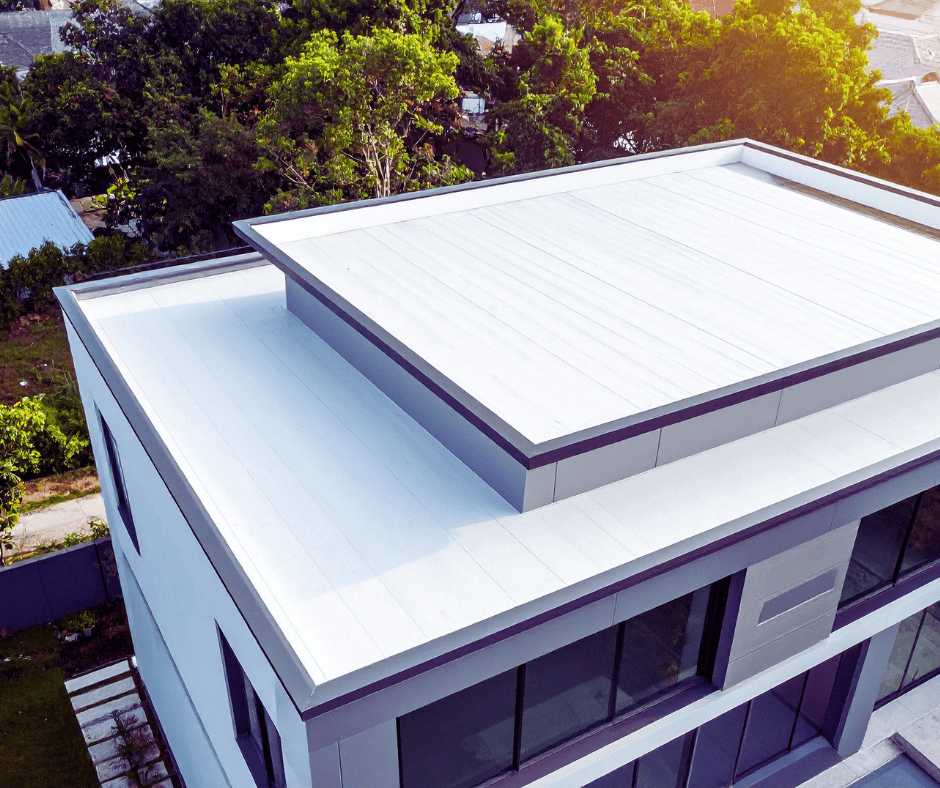
Flat roof systems are common on retail, logistics, and industrial buildings. TPO (thermoplastic polyolefin), PVC, and EPDM roofs can perform well in North Texas, but storms expose weak seams and aging flashings. Wind can lift unsecured edges and create blow-offs. Hail can puncture membranes or damage cover boards. Intense UV radiation and thermal shock can age materials faster than owners expect, especially on darker roofs and on roofs that hold standing water after storms.
SCR, Inc. repairs and replaces flat roof systems with materials suited to the asset's use. In some cases, a targeted repair and seam reinforcement solves the immediate leak. In other cases, the roof is widespread damaged and a replacement is more cost-effective long term, especially if insulation is saturated or if the membrane is brittle and shrinking.
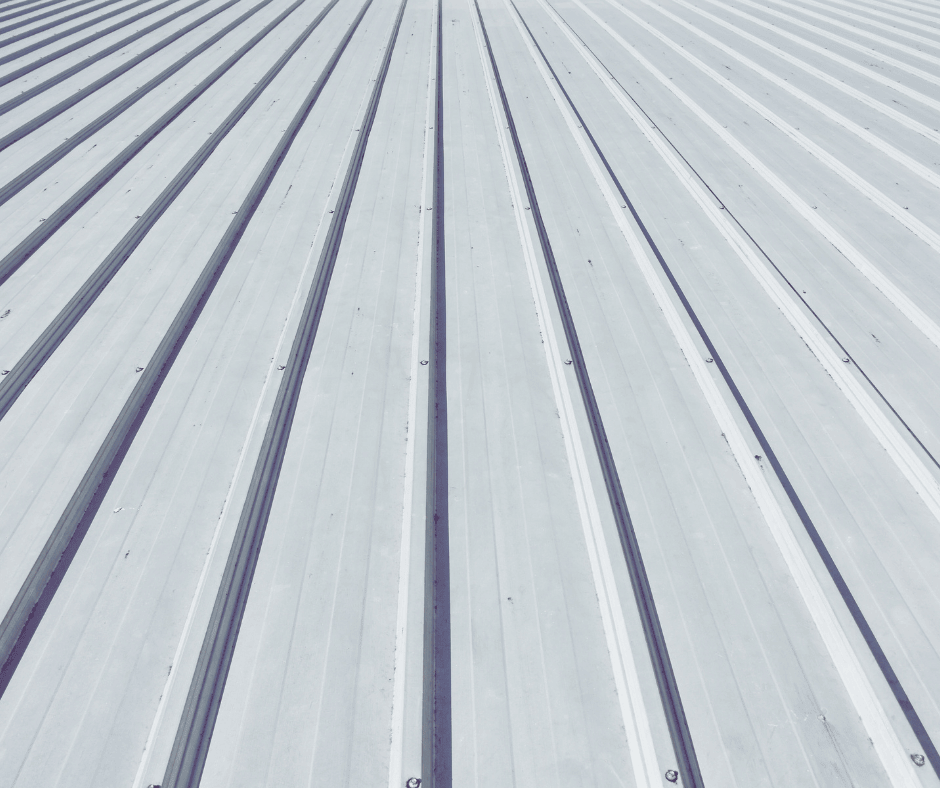
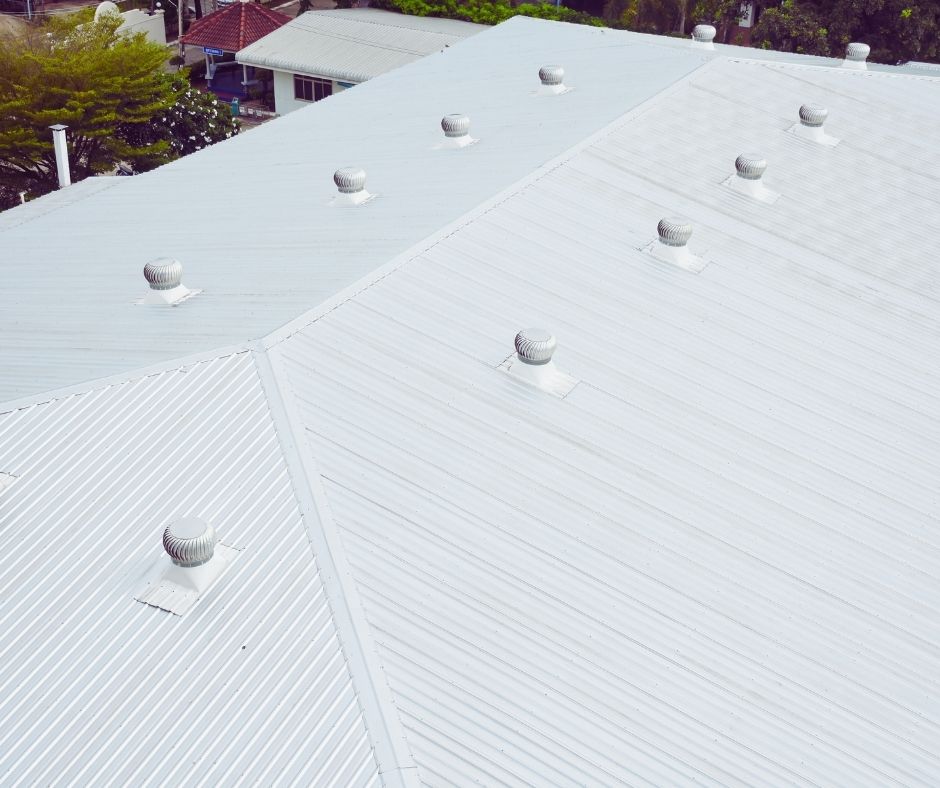
Metal roofs often survive storms structurally, but hail dents can still create issues. Dented panels can affect drainage paths. Fasteners can loosen. Sealant joints can fail. If a metal roof includes standing-seam details, impact near seams can compromise clip areas and create hidden water paths. For commercial assets, even “cosmetic” dents may matter if they affect building appearance standards or tenant requirements.
SCR, Inc. evaluates metal roofing damage with the same clarity used for membrane systems. The key question is whether the storm compromised performance, created leak risk, or reduced service life in a way that justifies repair or replacement under the claim.
Some buildings can avoid a full tear-off if the roof is structurally sound and the damage is repairable. Roof coating systems can add a renewed waterproofing layer and improve UV resistance. Silicone restoration is often used when ponding water is a known issue, because silicone resists standing water better than many other coatings.
High-end options like Gaco silicone coatings can provide a sustainable restoration path and qualify for strong warranty programs when installed correctly. For Grand Prairie commercial buildings that need to keep operations running, coatings can reduce disruption. They also reduce landfill waste from large tear-offs. The deciding factor is condition. If insulation is saturated or the deck is compromised, coating is not the right answer.
Insurance claims move faster when the documentation matches how adjusters review losses. The carrier wants measurable damage, clear photos, and a scope that connects storm events to roof failures. Property owners also benefit from keeping receipts and written timelines. That helps reduce delays and makes it easier to resolve disputes if the carrier questions extent or timing.
Roof photos that show both wide shots and close-ups of hail hits, uplift, and punctures.
Interior photos that connect leaks to roof locations, including ceilings, walls, and insulation areas.
Inspection notes that identify damaged components like flashing, coping cap, roof drains, and HVAC curbs.
Moisture evidence from infrared scans when insulation saturation is suspected.
A written scope that explains repair or replacement reasoning based on system condition.
This is where a large-loss perspective helps. A scope that reads like a real roof system assessment is harder to dismiss than a vague “replace the roof” request.
Grand Prairie sits in the center of the DFW Metroplex and carries a huge mix of warehouses, retail centers, and multi-family communities. Storms do not hit just one property. They hit entire corridors. That means timelines tighten fast, and owners want a roofing contractor Grand Prairie property managers trust to respond quickly, document damage, and coordinate work without disrupting operations.
SCR, Inc. supports facilities near EpicCentral, Lone Star Park, Traders Village, and Joe Pool Lake, and throughout industrial zones near the Great Southwest Industrial Park. The same dispatch discipline applies when storms affect surrounding DFW communities, including Rockwall, where homeowners often need fast leak control and a clear plan before interior damage grows.
A calm repair process starts with a clear inspection and a plan that respects the building's schedule. For commercial sites, that often means staging materials safely, protecting rooftop equipment, and planning work around business hours. For homeowners, it means clear communication about what is damaged, what is not, and what the repair will change.
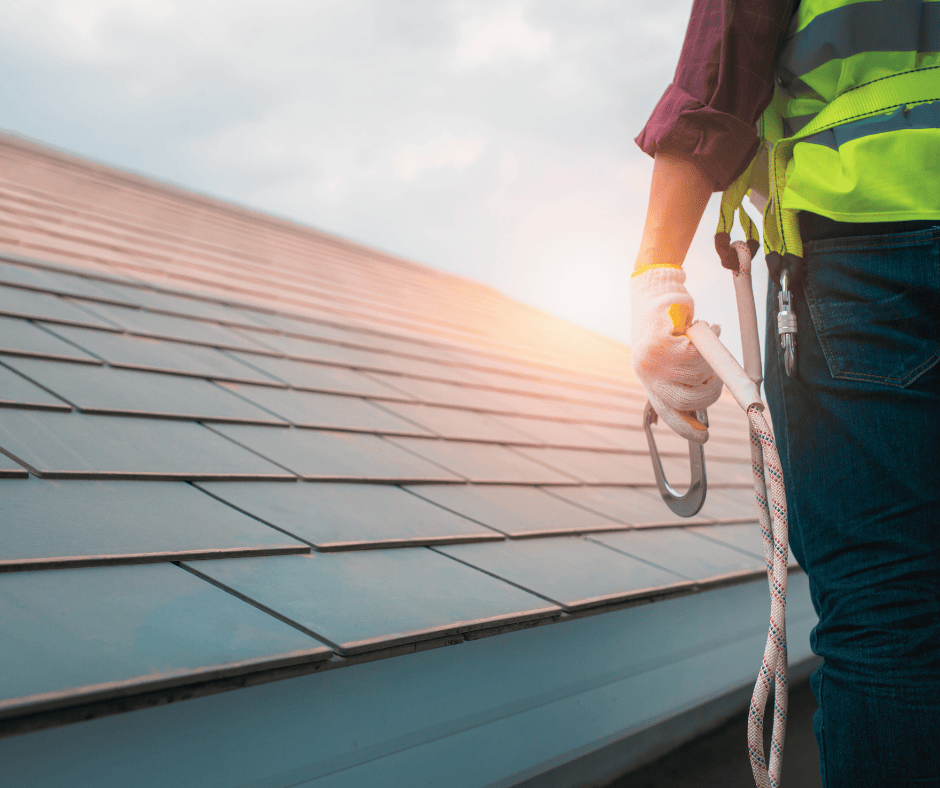
SCR, Inc. prioritizes safety and compliance on active sites. OSHA-focused jobsite practices protect crews and property. When the scope calls for full replacement, the focus shifts to proper insulation, secure flashings, correct membrane attachment, and clean drainage paths. That is the difference between “it stopped leaking” and “it will hold up for years.”
Storm seasons in North Texas rarely stop at one event. A roof that took hail once may take wind next. A roof that started leaking after one storm often leaks worse after the next. Fast inspection and documented repair prevent repeated damage and keep claims cleaner.
For storm damage roof repair in Rockwall and for commercial roofing contractor work in Grand Prairie, SCR, Inc. General Contractors provides emergency leak response, drone-assisted inspections, infrared moisture detection, and system-level repairs for flat roofs, metal roofs, and steep-slope systems. A documented assessment is the fastest way to stop leaks and reduce the insurance headache.
Redirect to: